

Lightning Dice Casino Cascading Wins: How the Feature Plays Out
I’ve spent eight years building and shipping digital gambling products across Web3 and iGaming, and cascading mechanics are one of the few features that actually reward a clear user journey rather than just noise. When a site like Croco Play runs these rounds, the real question is whether the chain reactions hold up on a Tuesday arvo when you’re checking in between meetings, not just during a launch push. For an Australian player, that means paying attention to how the feature behaves on mobile, how the localisations sit, and what the payout rhythm actually looks like once the first tumble settles. If you’re after a clean path to get in, the link for crocoplay login on the Croco Mag site keeps the entry point tidy without making you hunt through menus.
How cascading rounds actually chain together
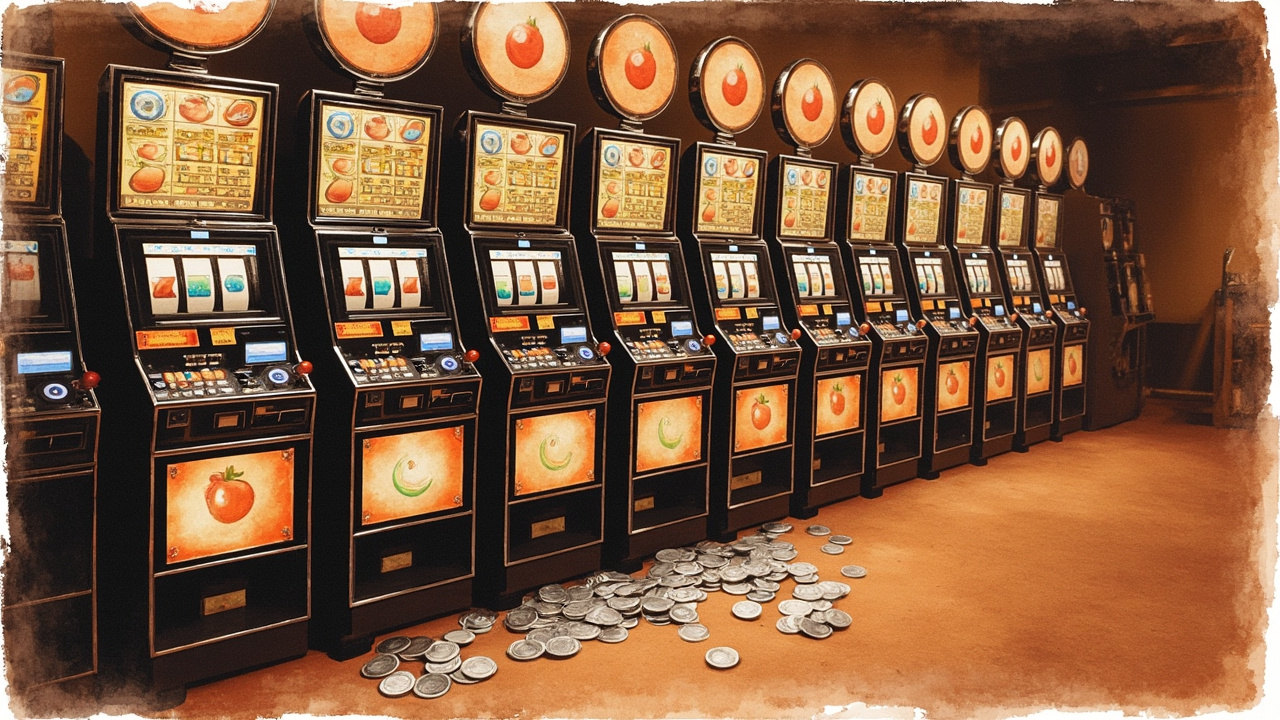
The feature strips away a lot of the static reel noise by letting winning symbols vanish and drop fresh ones into place, which can trigger another payout on the same spin. That loop is the whole point: a single bet can stack several payouts before the board finally locks. The catch is that the chain length and multiplier steps vary by title, and the maths behind the sequence is still bound by the base game’s volatility. In practice, you’ll see longer runs on higher-variance setups, but those same titles can also burn through bankroll faster when the drops don’t line up. I’ve sat in rooms where product teams argued over whether to tune cascade depth or multiplier scaling, and the honest call is that both levers pull in opposite directions – deeper chains feel rewarding, but they also stretch session length and shift risk. Daniel Thompson, Board Member at Brighton Beach Betting Lab, put it straight: “Cascading wins look generous on a demo, but the real test is how often the second and third drops actually pay, because that’s where the feature earns its name or fizzles out.” The fruit symbols on classic slots – cherries, lemons, the lot – date back to those gum-dispensing machines, which is why we still call them fruit machines, and modern cascades borrow that same visual shorthand while layering on the chain mechanic. If you’re weighing whether the feature is worth chasing on a given session, the honest read is that it rewards patience and position sizing more than any “one big spin” hype.
Interface, localisation, and everyday usability
A cascading feature only lands if the screen actually keeps up with the chain, and that’s where the interface work either earns its keep or gets in the way. On a decent mobile layout, the tumble animation should be quick enough that you can read the new symbols without the board feeling sluggish, and the win stack should stay visible long enough to track the running total. Currency and language matter just as much for an Aussie player: you want AUD displayed cleanly, not a messy conversion that leaves you guessing at the real stake, and the localisation should handle the small stuff like date formats and button labels without feeling imported. Navigation around the feature should be straightforward too – you don’t want to dig through three menus just to find the game list or adjust a bet slider mid-session. I’ve reviewed products where the localisation looked fine on a desktop build and then fell apart once the same flow hit a phone screen, which is the kind of gap that turns a decent feature into a fiddly one. Grace Smith, Marketing Director at Laneway Interactive Media, noted that “localisation is where a lot of operators lose the plot, because a chain feature can feel slick in one market and clunky in another if the language, currency, and button placement aren’t tuned for the actual player.” Search and filtering around the game library help when you’re trying to find titles that actually run the cascade mechanic rather than scrolling blindly through a mixed list. None of this is glamorous, but it’s the difference between a feature you can use on a lunch break and one that feels like a project.link for crocoplay login
Payout rhythm, limits, and the practical trade-offs
The rhythm of a cascade round is where the feature either feels consistent or starts to feel like a coin toss dressed up in animation. Multipliers usually step up with each drop, but the step size and the maximum chain cap are what shape the real risk profile, and those caps are the part most players gloss over until they’ve already put a session behind them. Bonuses and promotional mechanics can interact with the feature in ways that aren’t always obvious, so it’s worth checking whether redbaronslotau.com a bonus stake applies to cascade rounds the same way it does to a standard spin, and what the wagering expectations look like before you lean on a promo. Payments and withdrawals should be treated as a separate discipline entirely – a slick cascade screen doesn’t mean much if the cash-out path is slow or the limits are tighter than you expected. Registration needs to be plain and honest, mobile play should hold up without forcing you to relearn the layout, and support should be reachable when something actually goes wrong rather than buried behind a chatbot loop. Loyalty perks can be fine if they’re straightforward, but they shouldn’t be the reason you’re sitting through a feature that doesn’t suit your style. I’ve seen go-to-market teams push a cascade title hard on the basis of a big headline multiplier, then quietly leave the chain cap and bet limits in the fine print, which is the kind of mismatch that catches people out once the arvo session gets busy as. The practical read is simple: the feature can be engaging and well-built, but it still runs on volatility, limits, and your own bankroll discipline, not on any promise of a guaranteed run.
Frequently asked questions
Do cascading wins keep paying after the first drop?
They can, because each new drop is evaluated on its own, and a fresh matching set can trigger another payout before the board finally settles. The chain stops when no new winning combination forms, so the total is really the sum of whatever consecutive payouts the sequence produces. That means the feature can pay multiple times in one spin, but it can also end after a single drop if the symbols don’t line up again.
Is the feature better on mobile or desktop?
It depends on how well the layout handles the animation and the win readout rather than on the device itself. A clean mobile build should keep the tumble quick, the symbols readable, and the running total visible without forcing you to zoom or scroll. If the same flow feels cramped or slow on a phone, the feature loses its edge there even if the desktop version is fine.
If the interface feels cluttered on a smaller screen, it can distract from the experience entirely. For a closer look at how digital platforms are balancing usability with performance, see this report from Australian tech coverage. Ultimately, the best builds adapt to your habits without demanding extra attention.
Do bonus funds and loyalty perks apply the same way to cascade rounds?
Not always, because bonus terms can treat feature rounds differently from standard play, and loyalty rewards usually depend on the operator’s own rules rather than the game mechanic. It’s worth checking whether a bonus stake counts toward the cascade rounds you actually want to play, and what the wagering expectations look like before you rely on a promotion. The feature itself doesn’t change those terms, so the practical move is to read the specifics instead of assuming a promo carries over automatically.

When you’ve had a run of cascading drops that actually held together, did the screen and the payout rhythm feel worth the session, or did the chain fizzle out before it earned its keep – and would you tell your mates to give it a crack or leave it alone?